How to Use The Major Arcana Tarot Cards, A Complete Guide
A standard tarot deck has 78 cards divided into two categories: the Major Arcana and the Minor Arcana. The 22 cards of the Major Arcana are the ones that tend to feel most significant when they appear in a reading, and for good reason. While the Minor Arcana describes the textures of daily life, the Major Arcana maps the larger forces, turning points, and defining themes that shape a person’s path over time. Learning to work with these cards confidently changes how you read and how you understand the questions you bring to the deck.
The Major Arcana represents the significant thresholds and archetypal forces in human experience. Reading them well means understanding the Fool’s Journey they trace, recognizing their elemental and astrological associations, and developing a feel for what their position and orientation in a spread is telling you.
Major Arcana vs Minor Arcana: the difference that matters
The 56 cards of the Minor Arcana are divided into four suits and address everyday concerns: emotions, practical matters, intellectual challenges, and the action required to move through ordinary circumstances. The 22 Major Arcana cards operate at a different level. When they appear in a reading, they typically signal something that carries weight beyond the immediate situation. A card like Death (transformation and necessary endings), The Tower (sudden revelation or disruption), or The World (completion and integration) is pointing at something that will leave a lasting mark, not just a passing mood. Minor Arcana cards are not less important for this. They just answer different kinds of questions, and learning to distinguish them in a reading sharpens your interpretations considerably.
The Fool’s Journey
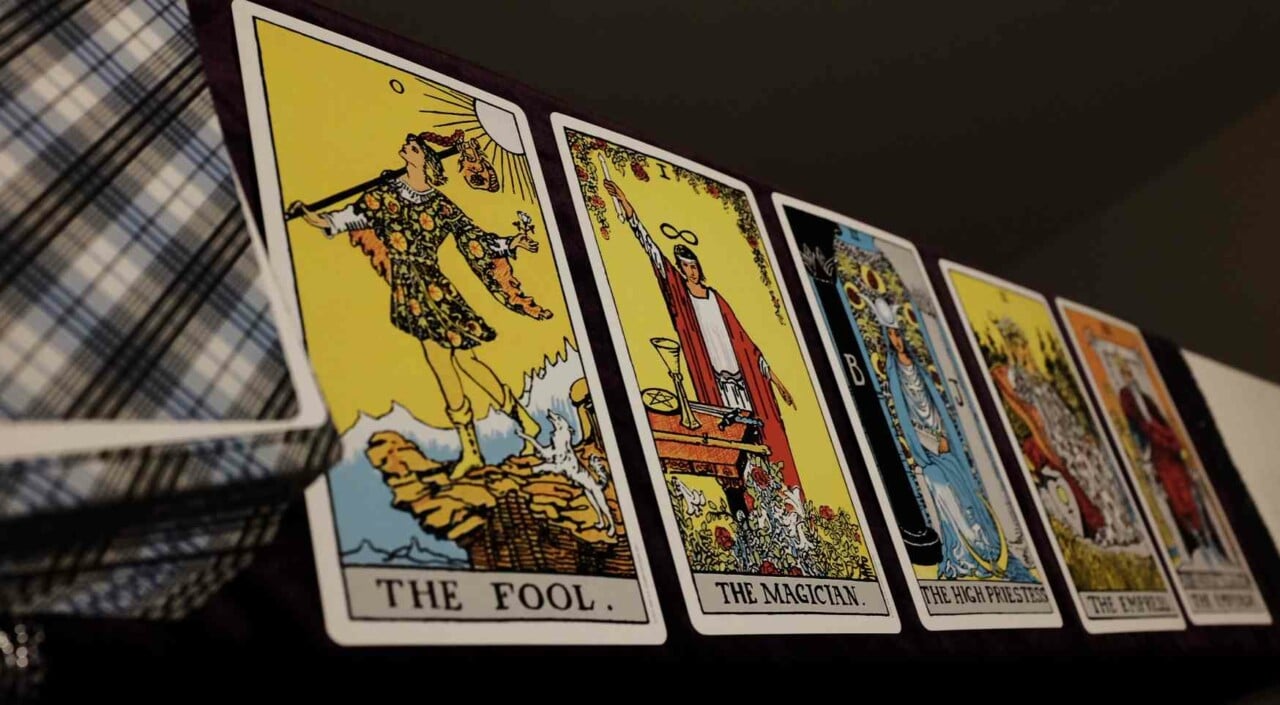
The Major Arcana are numbered 0 through 21, and together they trace what tarot practitioners call the Fool’s Journey: a symbolic narrative of how a person moves from naive beginning to mature understanding. The Fool (0) enters the world without preconceptions. He encounters teachers and guides (The Magician, The High Priestess, The Hierophant), experiences love and conflict (The Lovers, The Chariot), confronts his own inner life (The Hermit, The Wheel of Fortune), and moves through disorientation and transformation (The Tower, Death, Judgement) before arriving at completion (The World). Reading the Major Arcana in light of this sequence helps enormously when you receive a card whose meaning is not immediately obvious. Ask where in the journey that card appears and what challenge or threshold it represents.
Reading Major Arcana in a spread
When a Major Arcana card appears in a specific position in a spread, its meaning is shaped by both its inherent character and its placement. If the Death card appears in a future position, it is not predicting a literal ending but pointing toward a transformation that is approaching. If Strength appears in a position representing what you need to draw on, it is indicating that inner composure and patience are the resources called for right now. A reading dominated by multiple Major Arcana cards is telling you that the situation carries significance beyond the ordinary. Pause and take the message seriously rather than looking only to the Minor Arcana for practical guidance. The best tarot spreads for guidance are often the ones that give Major Arcana cards room to speak clearly, so it is worth having a few reliable layouts in your toolkit. For readers who want to develop their work with the full deck, how to read the Minor Arcana tarot cards is the complementary guide that covers the other 56 cards in equivalent depth.
Elemental and astrological associations
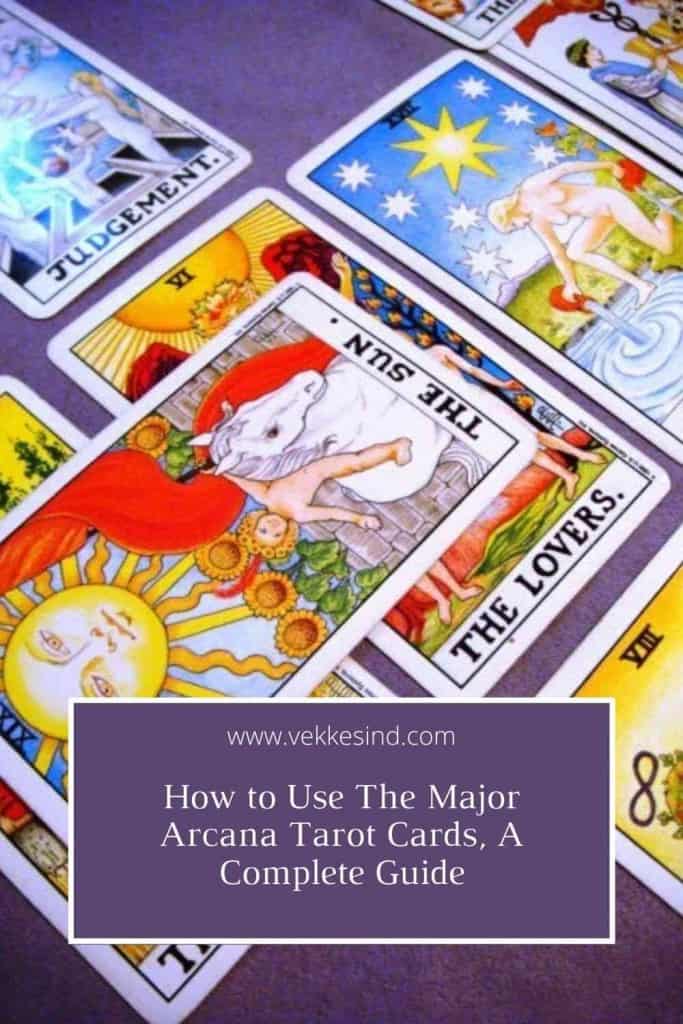
Each Major Arcana card carries an elemental association that connects it to the suits of the Minor Arcana. The Fool and The Star are associated with Air; The Empress, The Hierophant, and The World with Earth; The Chariot, The Hanged Man, and Death with Water; Strength, The Tower, and Judgement with Fire. These associations give you a secondary layer of meaning to work with when a card’s message is not immediately clear. If your reading is heavy with Water-associated cards (cups and the emotional Major Arcana), emotions and relationships are the dominant theme. A reading saturated with Fire and action-oriented Major Arcana suggests a period requiring decisive movement. The astrological connections go further still. Aries corresponds with The Emperor, Scorpio with Death, Pisces with The Moon, and so on. Knowing which signs carry which cards helps if astrology is already part of how you understand personality and timing. For readers interested in working with these correspondences between tarot and birth charts, using tarot for manifestation and intention-setting offers a practical application of these same connections.
Reversals and how to approach them
A reversed card (one that appears upside-down in a spread) is interpreted differently by different readers. Some treat it as a blocked or internalized version of the upright meaning: The Chariot reversed might indicate that the drive and focus the card usually represents is not yet fully activated. Others see a reversal as an invitation to pay closer attention to that card specifically. And some read them as the shadow expression of the card, the qualities that become harmful when taken to an extreme. Any of these approaches can work. What matters is picking one and applying it consistently within a reading so the logic stays coherent. Reversals double the interpretive range of the deck, but they work best as a refinement once you are confident with the upright meanings rather than an added complication layered on before the foundations are solid. The more you read, the more naturally the reversed meanings reveal themselves in context. If you find reversals are making your readings feel muddled rather than clarified, it is also worth understanding why tarot cards can sometimes be wrong before second-guessing your instincts.
Making the Major Arcana work for you
The 22 Major Arcana cards reward the time you spend with them. Unlike the suits of the Minor Arcana, which follow a numbered pattern, each Major Arcana card is a distinct world with its own symbolic vocabulary. Take one card at a time, sit with it, draw it deliberately for readings that address its theme, and let your understanding of it deepen through use rather than memorization. Over time these cards stop feeling abstract and start speaking to you with real specificity. That shift (from learning a system to genuinely reading) is what makes tarot a useful long-term practice rather than a novelty. For additional reading structures that help you apply Major Arcana cards to real questions, best tarot spreads for relationships covers layouts where these cards appear frequently and carry especially clear messages.