What Does the Hanged Man Reversed Mean?
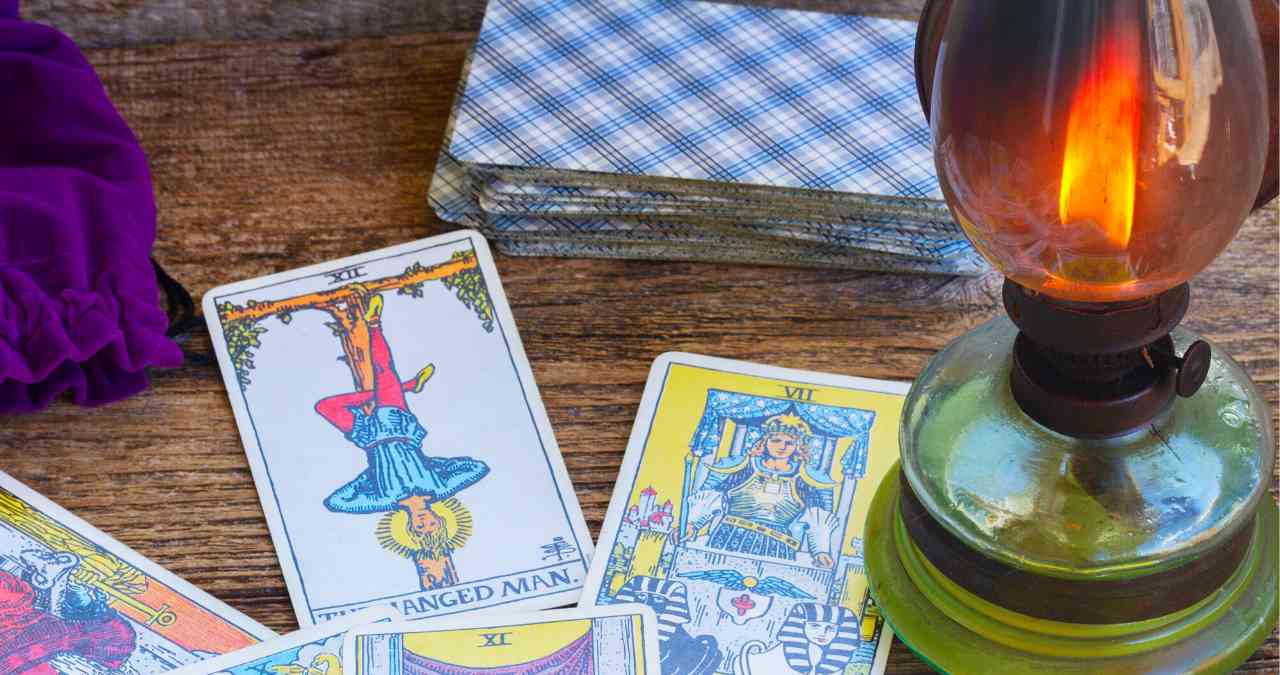
The Hanged Man is the twelfth card of the Major Arcana, depicted as a figure suspended upside down from a tree. His expression is serene, suggesting that his position is chosen rather than forced. Upright, this card counsels patience, surrender, and the wisdom of a new perspective. In reverse, the meaning shifts considerably. The Hanged Man reversed asks whether the suspension that was once meaningful has become a way of avoiding something that needs to be faced.
The short answer: the Hanged Man reversed points to stagnation, indecision, or a reluctance to move forward, and it calls for honest reflection on whether you are pausing by choice or by avoidance.
The Core Meaning of the Hanged Man Reversed
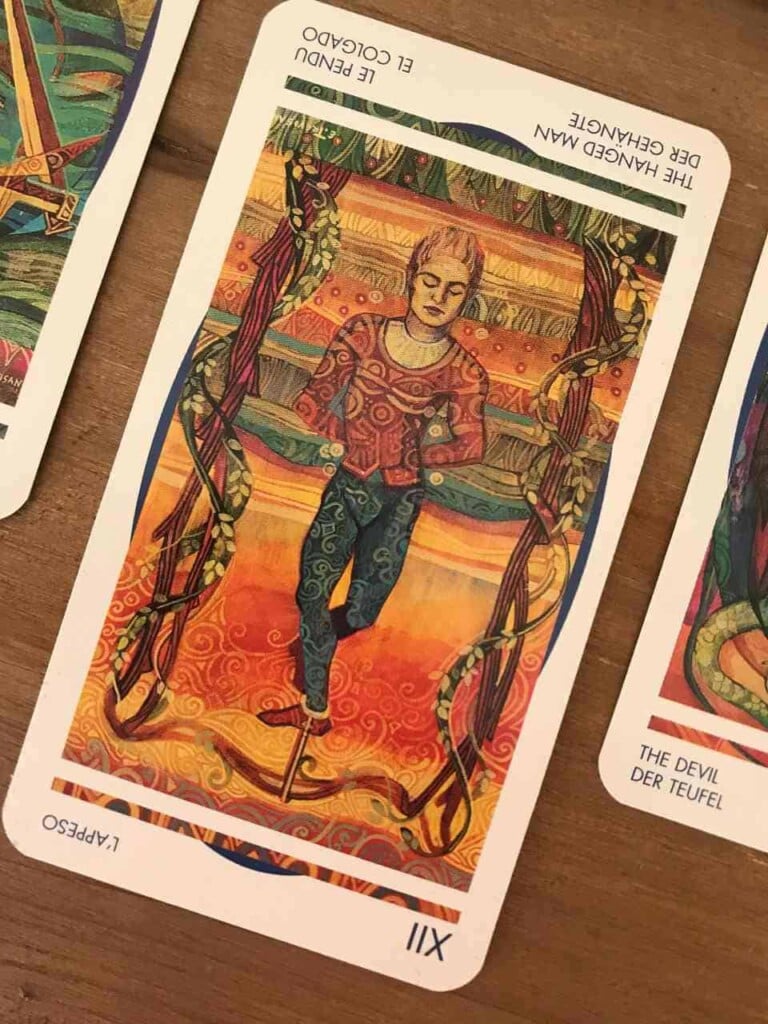
Where the upright Hanged Man encourages deliberate suspension, the reversed version tends to indicate that the suspension has gone on too long or is no longer serving its original purpose. There is a feeling of being stuck without the accompanying wisdom that the pause was supposed to generate. The man has been hanging for too long, and the perspective has curdled into paralysis.
This can manifest as chronic indecision, a reluctance to commit to a direction, or a pattern of starting things and not finishing them because the moment of choice feels too uncomfortable. In some readings, it simply reflects that circumstances outside your control have put your plans on hold, and the frustration of that external restriction has become its own kind of trap. If these patterns feel familiar across multiple areas of your life, the most important aspects of a natal chart can sometimes show you where they originate.
Delays, Indecision, and the Refusal to Choose
One of the clearest signals of the Hanged Man reversed is a delay that is connected to avoiding a decision rather than waiting for the right information. There is a difference between the Hanged Man upright, who waits deliberately because the timing is genuinely not right, and the reversed version, who waits because making a choice requires a sacrifice that does not feel comfortable yet.
The card asks you to look honestly at what you have been putting off. Sometimes the answer is that you already know what needs to be done and are hoping circumstances will relieve you of the responsibility. The Hanged Man reversed rarely lets that happen. The situation tends to sit, unchanged, until you engage with it directly.
The upright card’s counsel to step back and reassess is worth keeping in mind here. If you are not sure where to look for clarity, exploring a structured tarot spread for relationships or another area of concern can help surface what the reversed Hanged Man is pointing toward.
What the Reversed Hanged Man Says About Resistance
Another dimension of this card in reverse is active resistance: the refusal to let go of a situation, belief, or relationship that is no longer serving you. The upright Hanged Man surrenders to the process; the reversed version clings to the familiar even when it has become uncomfortable.
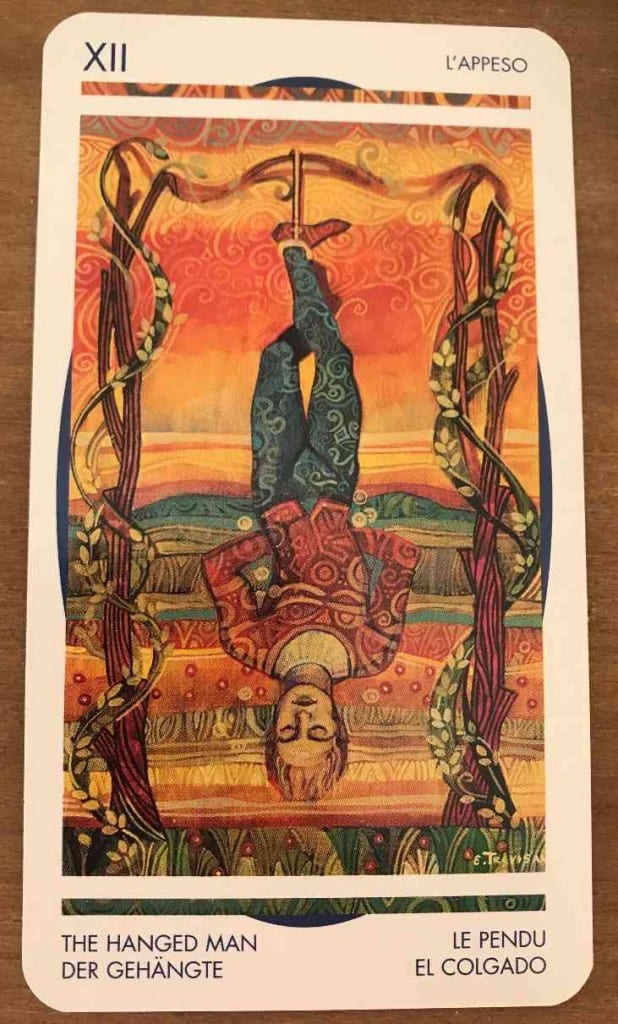
This kind of resistance often shows up around beliefs that feel too important to question. A long-held assumption about how things should go. An expectation that reality has quietly refused to match. A story about yourself that stopped fitting the evidence years ago. The reversed Hanged Man says the resistance to releasing any of these is what keeps you suspended.
The tarot rarely presents reversals as purely negative. If your readings have been feeling heavy or difficult to interpret, why tarot cards can seem negative offers a useful framework for understanding how challenging cards carry useful information.
The Hanged Man Reversed in Relationships
In a relationship spread, the Hanged Man reversed can indicate a connection that has reached a crossroads where both people are aware that something needs to change but neither has been willing to name it directly. There may be a pattern of inertia, where neither partner takes responsibility for moving things forward or addressing what is not working. If the card keeps showing up in readings about a specific person, it is worth asking what commitment actually looks like to them, since what drives someone to commit is often very different from what keeps them stalling.
It can also appear when someone has been waiting for a relationship to develop or a situation to resolve on its own, when in reality the circumstances will only change if they are engaged with honestly. The card does not mandate a particular outcome. It simply points to the fact that the waiting is over, and the next step belongs to you.
The Hanged Man Reversed as a Sign of Release
There is a more optimistic reading of this card in reverse. Don’t dismiss it before settling on the harder interpretation. If the card appears when you have recently come through a difficult period of suspension, it can signal that the waiting is ending. The figure who was upside down is coming back upright. Forward momentum is available again.
In this reading, the Hanged Man reversed encourages you to acknowledge what the period of suspension taught you and to carry that perspective into whatever comes next. For a practical tool for doing that kind of reflection, the Celtic Cross spread is particularly well suited to moments of transition, and working with your natural strengths and desires can help you clarify where that momentum wants to go.
A Card About Honest Self-Assessment
The Hanged Man reversed is a call to honesty. It asks whether the pause is still serving you or whether it has become avoidance. It invites you to look at what you are resisting, what decision you have been deferring, and what would actually shift if you engaged with it directly.
The card does not judge. It simply holds up a mirror and asks what you see. When you can answer that honestly, the way forward tends to become clearer than it seemed while you were suspended.