When to Use the Celtic Cross Spread
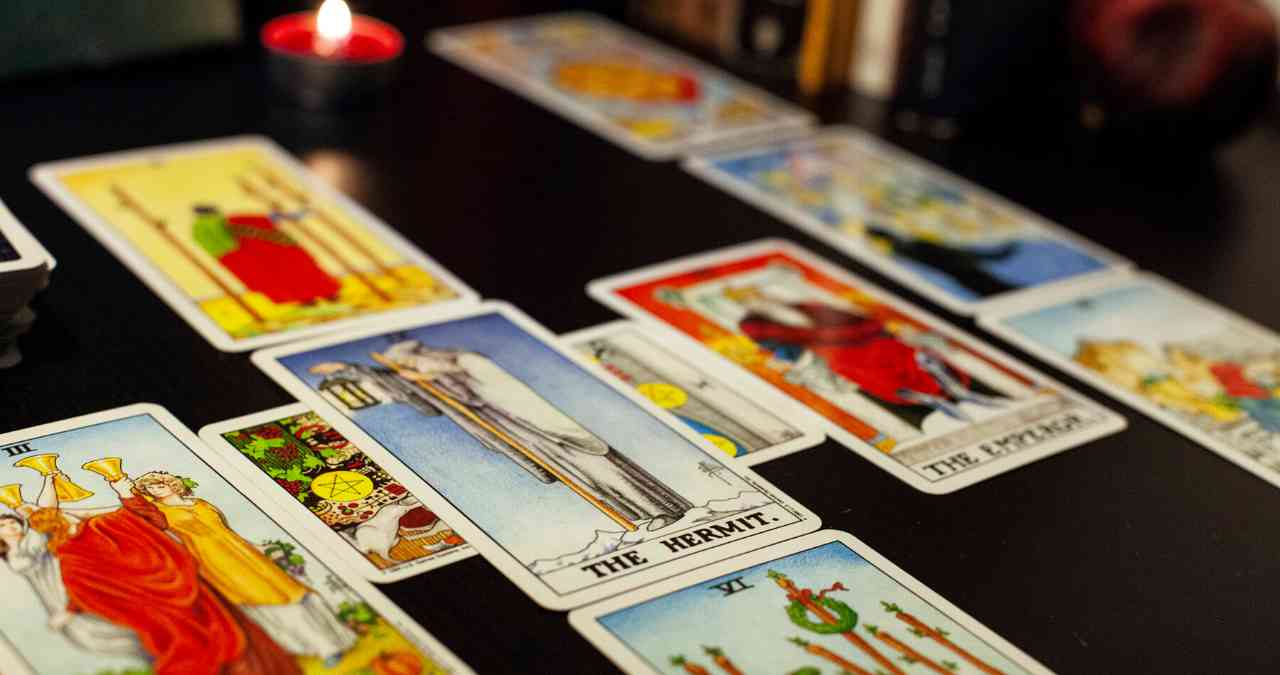
The Celtic Cross is the spread most tarot readers encounter first and return to throughout their practice. Its ten cards can address a single focused question or open into a broad view of an entire life period. But its flexibility is also what makes it easy to misuse. Pulling it for every casual question dilutes its power. Understanding when it genuinely earns its place in a reading makes each time you use it more meaningful.
The short answer: use the Celtic Cross when a situation has multiple layers, when a single question is not enough to capture what you need to understand, or when you want a comprehensive look at where you stand and where things are heading.
What Makes the Celtic Cross Different From Simpler Spreads
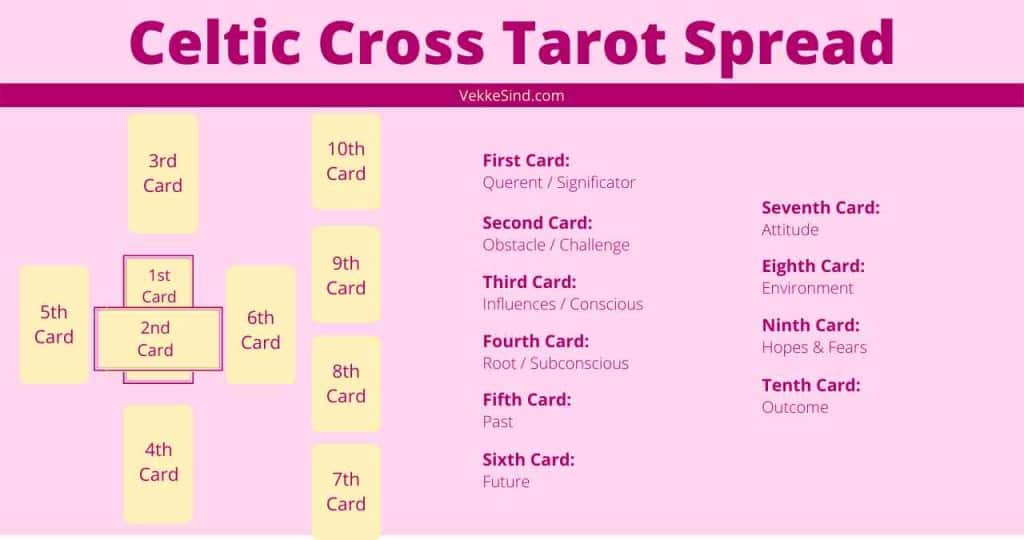
Most spreads are built around a narrow question with a defined answer: yes or no, past-present-future, obstacle-advice-outcome. The Celtic Cross does not work that way. Its ten positions cover present energy, underlying influences, the past that brought you here, the future as it currently stands, internal and external forces, hopes and fears, and a final outcome. No other common spread carries that much context in a single reading.
That depth is both its strength and its challenge. Interpreting a Celtic Cross well requires knowing the cards well enough to read them as a narrative, not as isolated snapshots. If you are still learning the individual card meanings, a three-card pull will serve you better than ten cards whose relationships you have not yet learned to track.
When You Have a Complex, Layered Question
The Celtic Cross is at its most useful when the question you are sitting with cannot be captured in one sentence. If you are weighing a major decision that involves multiple people, competing values, and an uncertain outcome, the spread has room to surface all of it. Its natural territory is the career change, the relationship crossroads, the long-term commitment where what you want and what is realistic are both unclear.
For straightforward questions with a clear answer, a simpler spread will be faster and just as accurate. Save the Celtic Cross for situations that genuinely require ten cards worth of nuance.
Relationship and Emotional Situations
Romantic and interpersonal questions are among the most common reasons people reach for the Celtic Cross. It handles them well because relationships are rarely simple, and the spread has room to show what you are bringing to the situation, what the other person or the dynamic is contributing, and what underlying forces are shaping the outcome.
Focus relationship questions on what is within your own influence. What can you understand more clearly? What might you be missing? What is the relationship asking of you? A reading centered on your own clarity and choices will always be more actionable than one centered on predicting someone else. If you are also working with astrology to understand the connection, reading a synastry chart can add another layer to what the cards are already showing. For deeper guidance on love readings specifically, what tarot cards can tell you about love covers the patterns worth knowing before you sit down with a spread.
Career and Life-Path Decisions
The Celtic Cross is well suited to questions about direction, purpose, and long-term choices. If you are at a crossroads in your career, unsure whether to stay in your current situation or move toward something new, or trying to understand what is blocking your progress, the spread gives you the context to see the whole picture.
Pay particular attention to the positions representing underlying influences and external factors. In career readings, those positions often surface the assumptions or fears that are driving decisions more than any practical circumstance. If you want to compare what different layouts can and cannot show, the best tarot spreads for guidance is worth a look. And if you are also curious what your birth chart says about your working style and natural strengths, jobs based on your birth chart pairs well with a tarot career reading.
When Not to Use the Celtic Cross
There are situations where the Celtic Cross is genuinely the wrong choice. If you are feeling anxious, overwhelmed, or emotionally destabilized, ten cards have a way of amplifying those feelings rather than settling them. A single-card draw for clarity or grounding is a better starting point when your nervous system is already running hot.
The Celtic Cross is also not suited to repeating the same question. If you asked it yesterday and did not like the answer, pulling it again today will not change the underlying energy. The cards tend to reflect what is actually there, not what you are hoping to see. Sit with a reading for at least a few weeks before returning to the same question, and let the situation develop before asking again.
How to do the Celtic Cross spread walks through each position in detail and helps you build the interpretive foundation the spread requires before the reading becomes more than the sum of its parts. For relationship questions specifically, the best tarot spreads for relationships will help you decide which approach fits the question you are actually carrying.