How to Read the Minor Arcana Tarot Cards, The Complete Guide
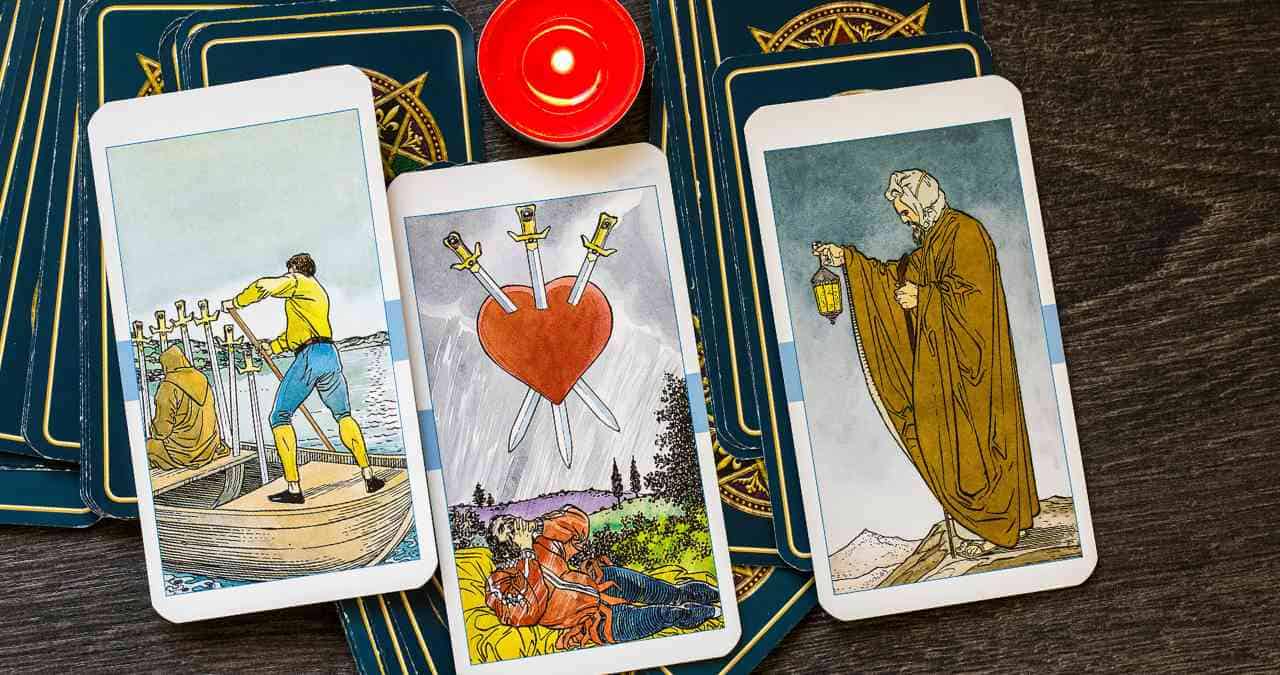
The Minor Arcana makes up 56 of the 78 cards in a standard tarot deck. While the Major Arcana speaks to the larger forces and turning points shaping a life, the Minor Arcana captures the texture of ordinary experience: the choices made under pressure, the mood following a difficult conversation, the slow effort behind a goal that takes years. Learning to read these cards well means learning the grammar that runs beneath every reading. The good news: the system is more organized than it first appears.
The short answer: the Minor Arcana divides into four suits of 14 cards each. Pair the suit’s domain of life with the meaning of the number or court rank, and you have a reliable framework for interpreting any card in the deck without memorizing each one individually.
Understanding the Four Suits
Each suit aligns with one of the four classical elements and a broad area of human experience. Wands carry the energy of fire: creativity, ambition, passion, and drive. Cups hold water’s themes of emotion, intuition, and relationship. Pentacles sit in earth and govern the material side of life (finances, health, practical effort). Swords move with air and represent thought, communication, conflict, and the kind of cutting clarity that comes from finally calling something what it actually is.
When a spread contains a concentration of one suit, take note. The cards are pointing to the domain of life most active in the reading. Multiple Sword cards in a question about a relationship may suggest that logic, honest communication, or a difficult decision matters more right now than emotional processing alone.
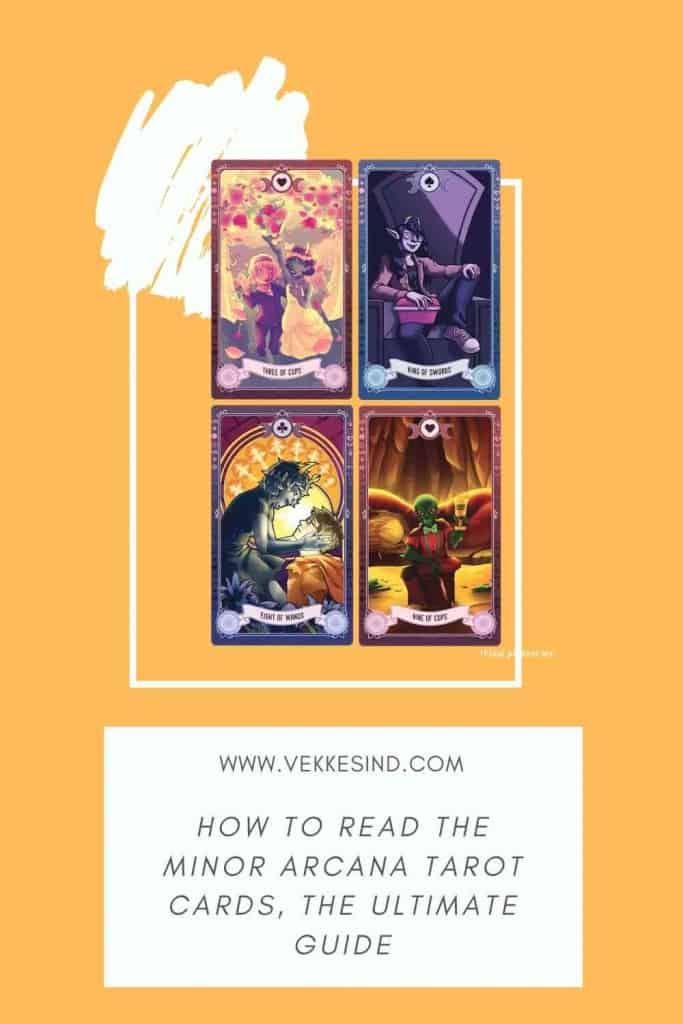
How Numbers Shape the Pip Cards
The numbered cards, Ace through Ten, trace a journey through any suit. An Ace marks a beginning: raw potential, a new opportunity, the seed of something not yet developed. The Ace of Wands is one of the clearest examples of that concentrated starting energy. Twos introduce choice or partnership. Threes suggest early collaboration and growth. Fours bring stability and consolidation. Fives introduce conflict or disruption that tests what was built. Sixes offer resolution and recovery after the struggle. Sevens call for reflection and honest self-assessment. Eights signal momentum and the need to commit to a direction. Nines bring the cycle to its outer edge, sometimes with a sense of final reckoning or near-completion. Tens mark the end of a cycle, carrying both the weight of completion and the clearing that comes with it.
Combine the suit domain with the number meaning and the interpretation follows naturally. The Five of Wands (fire plus conflict) suggests competing creative energies or a clash of ambitions. The Six of Cups (water plus resolution) points to emotional reconciliation, warm memory, or a return to something familiar and comforting.
Court Cards and What They Represent
Each suit also contains four court cards: Page, Knight, Queen, and King. These can represent specific people in the querent’s life, or they can point to qualities, energies, or developmental stages that are active in the situation.
Pages carry the energy of fresh beginnings and a student’s openness. Knights translate that energy into action, sometimes with more zeal than wisdom. Queens have internalized their suit’s qualities. They operate from quiet, intuitive mastery and rarely need to prove it. Kings hold long experience and settled authority in their element.
The King of Pentacles suggests mature command over practical and material affairs. The Knight of Cups pursues emotional or romantic goals with intensity. Knowing the court rank and the suit gives you a working interpretation for any of the sixteen court cards without relying on rote memorization.

Reading Multiple Suits Together
When a spread holds cards from several suits, their interaction tells its own story. A reading dominated by Cups alongside a lone Pentacles card may suggest that emotion is driving a situation where practical grounding is also needed. Two or three court cards appearing together can point to a complex web of personalities influencing the outcome.
Noticing which suits appear, which are absent, and how the numbers cluster gives you a layer of meaning beyond any individual card. For more on how to structure a spread so each position carries a clear role, best tarot spreads for relationships shows how thoughtful spread design shapes the quality of the reading.
Working with Reversals
Reversed cards appear when a card falls upside down during a shuffle. Many readers interpret reversals as the card’s energy being blocked, delayed, turned inward, or expressing as its shadow rather than simply meaning the opposite of the upright position. A reversed Three of Cups might suggest withdrawal from community or joy being withheld rather than a complete absence of celebration.
Whether to include reversals is a personal decision, and neither approach is wrong. What matters is consistency. Commit to a method and apply it steadily, because a card’s meaning in a reading depends as much on the reader’s internal framework as on the card itself. For a frank look at where even a solid approach can go sideways, 5 reasons why tarot cards can be wrong is worth reading before you settle in.
Putting It All Together
Suit domain plus number or court meaning: that is the interpretation. It is not complicated. Practice makes it automatic, but even on day one this approach gives you something real to work with for any of the 56 cards. The Minor Arcana handles the daily texture of a reading. The Major Arcana handles the deeper forces. If you want to understand how both halves of the deck reinforce each other, how to use the Major Arcana tarot cards walks through all 22 Major cards and shows how they anchor the Minor cards in context. For hands-on practice with actual spreads, best tarot spreads for guidance offers layouts that give the Minor Arcana room to do its job.
Trust the system, stay curious about what comes up, and the Minor Arcana will stop feeling like 56 things to memorize and start feeling like a language you already speak.