Don't Believe Your Tarot Reading! Here's Why...
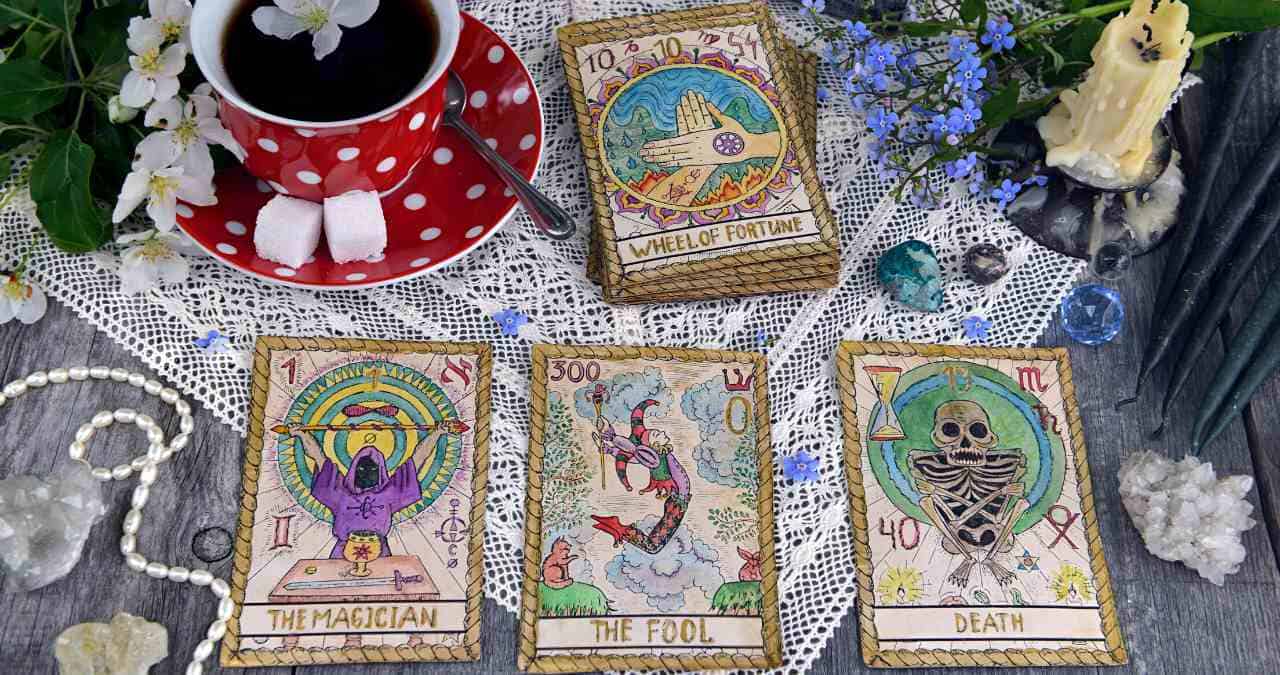
People who receive a tarot reading that contradicts what they hoped to hear often land on the same question: can I actually believe this? The honest answer: it depends. Tarot is not a prediction machine that operates with scientific precision, but that does not make a reading worthless. Understanding what tarot can and cannot do helps you engage with it honestly, and take the useful parts without being misled by the limitations.
The short answer: A tarot reading is worth taking seriously when the reader is skilled, the interpretation is thoughtful, and you approach the results with openness and critical thinking rather than either blind belief or reflexive dismissal.
What a Tarot Reading Actually Is
Tarot works through symbol, pattern, and interpretation, not through a literal forecast of fixed future events. The cards reflect themes, tensions, and possibilities present in a situation. A skilled reader brings the knowledge to interpret those themes meaningfully, but the result is still a reading, not a guarantee. People sometimes wonder whether tarot can predict death or other fixed outcomes. It cannot. Think of it as a mirror that reveals angles on a situation you may not have considered, rather than a crystal ball that settles things in advance. That framing matters because it puts the responsibility for your decisions squarely on you, not on a deck of cards.
When to Take the Cards Seriously
A reading is worth holding onto when it resonates with something you already sense to be true but have been reluctant to name. The cards often surface what the conscious mind has been avoiding. A thoughtful reading can bring unexpected clarity precisely because it is not filtered through what you want to hear. If you find yourself dismissing a result because it is unwelcome rather than because it seems genuinely inaccurate, that resistance is worth examining. The reading may be doing exactly what it should.
When a Reading May Miss the Mark
No reading is infallible. Several common reasons tarot cards can be wrong include inexperience on the reader’s part, emotional static that distorts interpretation, or a question so vague it cannot anchor the spread usefully. A reader who does not know your situation well may produce generalities rather than meaningful specifics. This is also worth keeping in mind with tarot readings on YouTube, where mass readings replace the focused personal context that makes interpretation reliable. And if you are reading for yourself, the bias of wanting a particular answer can shape how you draw and interpret the cards. Awareness of these factors does not invalidate a reading, but it gives you the tools to evaluate it honestly rather than accept it wholesale.
How the Reader Shapes the Results
The same spread can produce very different interpretations depending on who is reading and how they approach the work. Readers who rely strictly on book definitions produce different results than those who also read the imagery, the card’s relationship to neighboring cards, and their own intuitive read of the situation. Professional readers sometimes leave interpretation deliberately open so the client can fill in the meaning themselves. Not dishonest, but worth knowing. Neither approach is definitively wrong. What matters is finding a reader whose method aligns with what you actually need, and then paying attention over time to how useful their readings prove to be.
Making the Most of Any Reading
Neither blind belief nor reflexive skepticism serves you well here. Treat the reading as useful input rather than irrefutable truth. Write down the key cards and their positions, sit with the interpretation for a day or two, and notice what continues to feel accurate and what falls away. Using a tarot spread designed for guidance can also make it easier to structure a reading around a clear question in the first place. How often to get a tarot reading is also worth considering, since returning too frequently on the same question tends to cloud interpretation rather than clarify it. Use the reading to ask better questions about your situation, not as a way to avoid the work of deciding what you actually want.
Final Thoughts
Tarot works best as a tool for honest reflection, not as an authority that makes decisions for you. A reading can surface real insight when you approach it with the right combination of openness and critical thinking. Believe what rings true over time. Set aside what does not. And notice your own gut reaction to each card as much as the interpretation itself. That reaction often tells you more than the reading does.