Do Tarot Cards Bring Bad Luck?
Tarot has been practiced for centuries as a tool for reflection, decision-making, and self-awareness, yet the question of bad luck follows it persistently. People encounter an unsettling spread and worry that the cards themselves caused something negative, or that simply owning a deck invites misfortune. That fear is worth addressing directly, because it shapes how people approach an otherwise useful practice.
The short answer: Tarot cards do not bring bad luck. They are printed cards with assigned symbolic meanings. The unease around them comes from misunderstanding what they actually do, not from any inherent danger in the cards themselves.
What Tarot Actually Does
A tarot deck is a set of illustrated cards with meanings developed over centuries of symbolic tradition. When you draw cards in a reading, you are working with your own intuition and the accumulated wisdom those symbols represent. The deck reflects possibility and pattern, not fixed destiny. It surfaces things you already sense but have not yet consciously acknowledged.
The cards have no mechanism for attracting misfortune. They do not open channels to harmful forces or send negative energy into your life. What they do is hold up a mirror to the direction your current choices and circumstances are heading, and that information can feel uncomfortable when you would rather not look at it. Discomfort is not the same as bad luck.
Do Negative Cards Predict Misfortune?
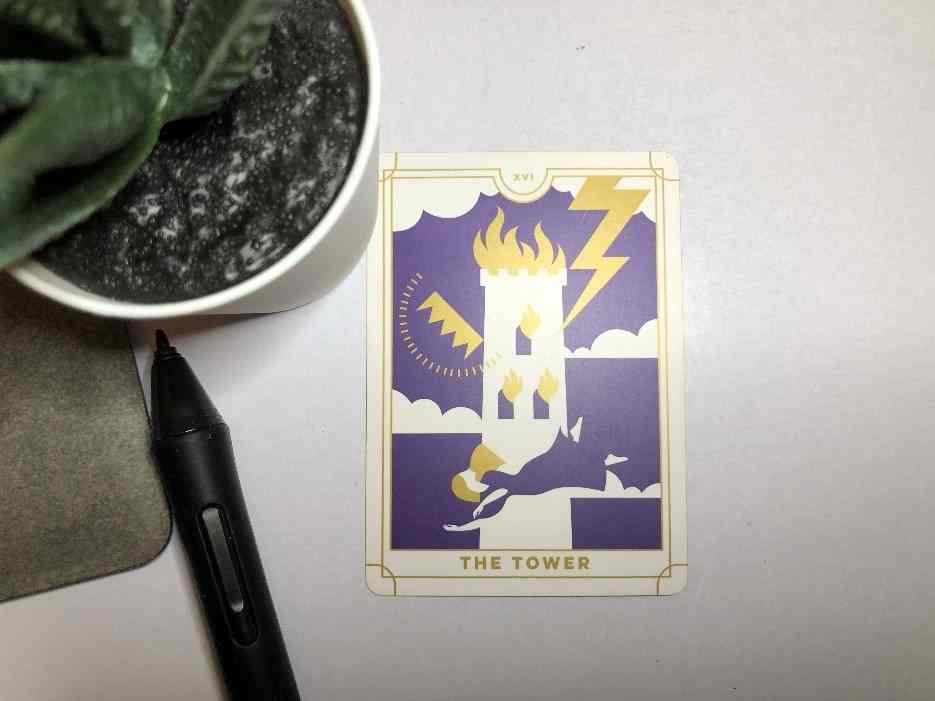
Certain cards have a reputation for being ominous, but that reputation is almost always built on a surface-level reading of their imagery. The Death card rarely means literal death. It signals endings and transformation, the closing of one chapter so another can begin. If that card unsettles you, can tarot cards predict death addresses the question directly. As can the Tower tarot card be positive explains, even sudden disruption often clears away what was not working and makes room for something more solid.
None of these cards cause the events they describe. If you draw the Tower and then experience a difficult week, the card did not create that difficulty. It may have indicated that instability was already present beneath the surface. Understanding this distinction, between a warning signal and a cause, removes most of the anxiety people bring to difficult spreads. For a comprehensive look at what the Major Arcana cards actually mean and how to work with them, how to use the Major Arcana tarot cards is a useful starting point.
Confirmation Bias and the Tarot
Part of what sustains the belief in tarot’s bad luck is confirmation bias. Simple as that. When a challenging reading is followed by a hard event, the connection feels obvious and causal. When the same reading is followed by an ordinary week, it is quietly forgotten. The cards get credit for the hits. No one logs the misses.
Keeping a simple reading journal can correct this pattern over time. Note what you drew, what you interpreted, and what actually unfolded. Most people find, looking back, that the cards offered perspective rather than prediction, and that many feared outcomes never materialized at all. There are also structural reasons why readings miss the mark, which 5 reasons why tarot cards can be wrong lays out plainly. The practice becomes calmer and more useful when its limits are understood alongside its strengths.
The Energy You Bring to the Deck
A deck can feel charged with the residue of repeated anxious use, not through any supernatural mechanism, but in the same way any object used during heightened emotional states accumulates that association. If you read while distressed repeatedly, the practice itself may become linked to that feeling rather than to clarity.
Resetting a deck is straightforward: shuffle it with calm intention, let it air out, or set it aside for a few days. What you are really doing is resetting your own relationship to the tool rather than clearing some external contamination. The cards respond to the state you bring to them, so arriving at a reading in a grounded frame of mind consistently produces more useful results than reading from a place of fear.
Protection and Grounding Before a Reading

Many readers open a session with a short moment of stillness: a few deep breaths, a clear intention about what they want to understand, or a brief meditation. This is less about warding off anything and more about arriving at the reading in a centered state rather than a reactive one. A grounded mind interprets the cards more accurately and is less likely to project worst-case meaning onto ambiguous imagery.
If you practice prayer, mindfulness, or any other form of intentional centering, bringing it to the start of a reading is worthwhile. You are signaling to yourself that this is a focused inquiry rather than an anxious search for reassurance.
Tarot as a Tool, Not a Governing Force
The most useful frame for tarot is that it is a tool you use, not a force that acts upon you. It does not bring luck, good or bad. It offers a structured way to think about the choices and patterns present in your life. The right tarot spreads for guidance can make that structure clearer and more practical. The insight it provides only has power if you act on it thoughtfully.
If specific questions about ownership and use are creating concern, is it bad luck to buy used tarot cards addresses one of the most common worries new readers bring, and can you use someone else’s tarot cards covers another. Both deserve straightforward answers, and both have them.
Final Thoughts
Tarot does not bring bad luck. The cards respond to you, reflect what is already present, and offer perspective to those willing to engage with that reflection honestly. Approach the practice with curiosity rather than fear, treat the cards as a thinking tool rather than an oracle, and the experience tends to be clarifying rather than troubling. The real question is never whether the cards are dangerous. It is whether you are using them in a way that helps you think more clearly about your own life.