Can Tarot Cards Predict Death?
Tarot has carried an air of mystery since its origins in 15th-century Europe, and Pluto, the planet of transformation and endings, sits behind the deck’s most misunderstood imagery. When people ask whether tarot can predict death, the honest answer requires separating what the cards actually communicate from the fear the question brings to the table.
Certain card combinations can touch on themes of loss and endings. But tarot almost never predicts literal physical death, and treating it as capable of that kind of precision does more harm than the reading is worth.
What the Death Card Actually Means
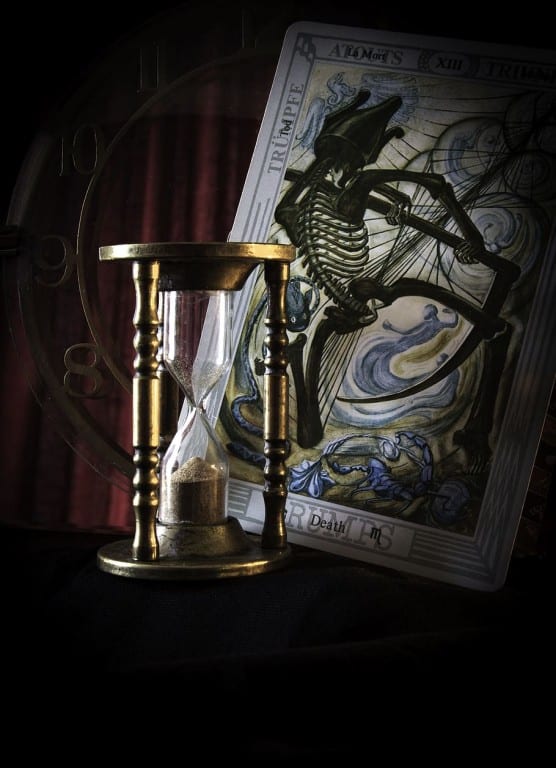
The Death card is the thirteenth Major Arcana card, and its reputation for causing alarm far exceeds what it actually represents. Symbolically, Death stands for transformation: the closing of one life chapter so another can begin. It speaks to necessary endings, leaving behind patterns, relationships, or versions of yourself that have run their course. For a thorough look at every interpretation of this card, the complete guide to Death tarot card meaning covers upright, reversed, and contextual readings in full.
Which Cards Carry Themes of Loss
If the Death card rarely signals physical death, which cards actually touch on those themes? The Ten of Swords speaks to devastating loss and painful endings. The Nine of Swords is about grief and the kind of anxiety that keeps you up at night. The Five of Cups focuses on mourning and what cannot be recovered. And the Tower card, especially paired with the Ten of Swords, can point to a sudden rupture with serious consequences. None of these cards predict an inevitable outcome. They describe energy currently active in the querent’s life, which means they can be worked with.
How Context Shapes the Reading
A single card means very little without the rest of the spread. A Ten of Swords in a past position describes something already survived. The same card in an outcome position, surrounded by other heavy imagery, might prompt a useful conversation about stress, health decisions, or risky behavior, but it still does not lock in a specific future event. Tarot reflects probability and present momentum, not fate. Choosing the right spread for your situation makes a real difference in how clearly any high-stakes card comes through, and understanding how to use the Major Arcana tarot cards puts the interpretation in its proper frame.
The Difference Between Prediction and Reflection
Tarot is a mirror of current circumstances and energetic patterns. A reading is accurate relative to the moment it is done, and if the person changes course, the trajectory shifts with them. This is why responsible readers treat dramatic imagery as a prompt for awareness rather than a fixed decree. The future is not sealed by what appears in a spread. That’s the most hopeful thing about the practice.
Why Searching Specifically for Death Predictions Backfires
Consciously searching for death-related patterns in a reading tends to produce them. Where attention goes, interpretation follows. A reader or querent primed by fear will find darkness in even neutral cards. The practical result is a distorted reading that generates anxiety without useful guidance. There are several reasons tarot readings go wrong, and confirmation bias around difficult themes is one of the most common. Tarot’s purpose is to illuminate what you can work with, not to manufacture dread around what you cannot.
Final Thoughts
Tarot’s most dramatic cards, including Death, the Tower, and the Ten of Swords, carry weight because they ask real questions about change, resilience, and what needs to release. They do not deliver verdicts. A reading that surfaces themes of endings deserves honest reflection about what in life may have run its course. Taking any single card as a literal prophecy of physical death misunderstands both the tradition and the purpose of the practice itself.